
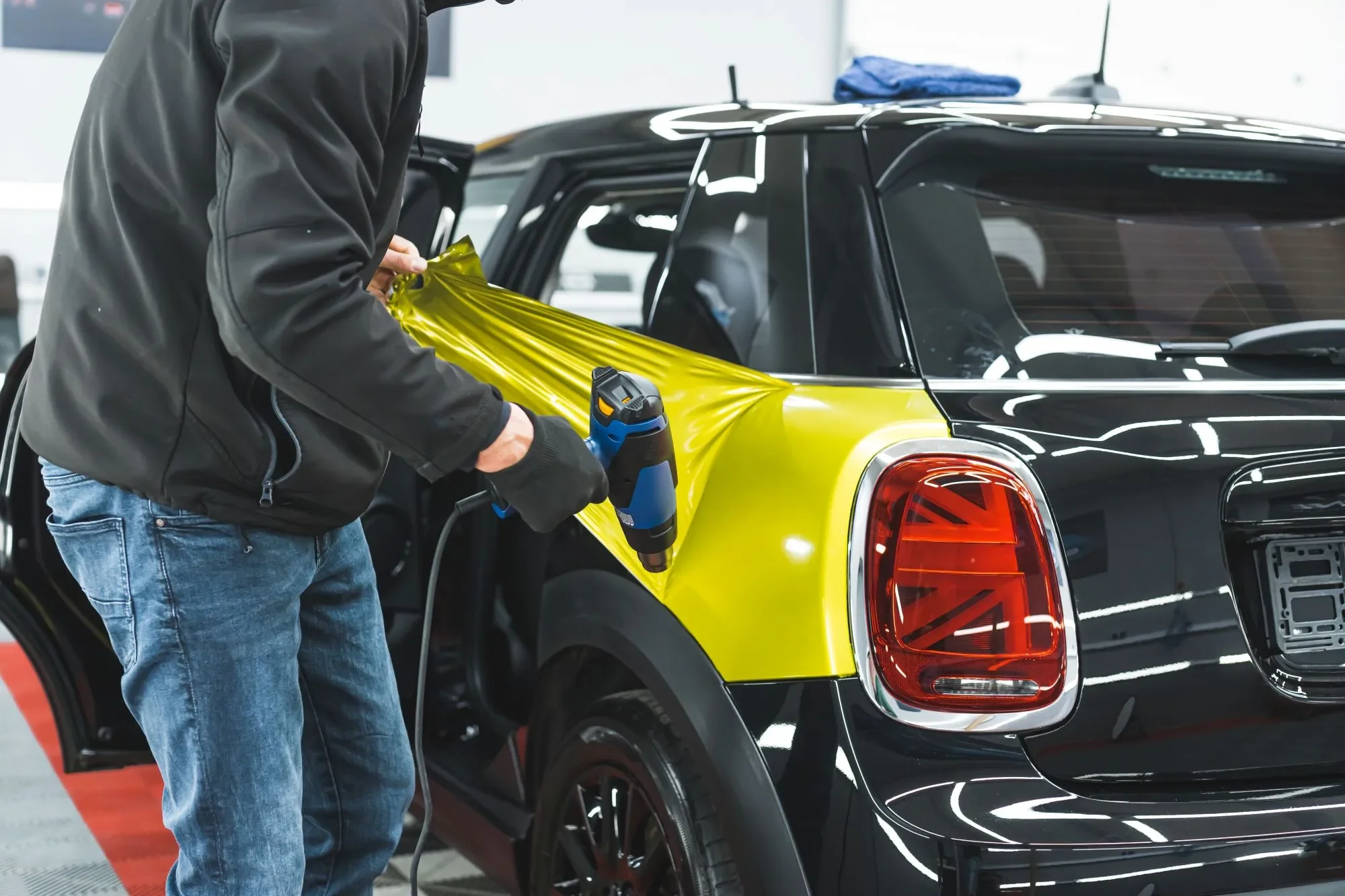
Choosing between a colour change wrap and a paint job depends on whether you want a reversible appearance change or a more permanent finish. Vinyl wraps allow drivers to change their vehicle's colour without replacing the original paint, while repainting creates a new painted finish that can address certain types of existing damage. Cost, customization, paint condition, and future resale plans all influence which option makes more sense. At Luminous Auto Salon, we provide colour change vehicle wraps in Calgary for drivers who want to customize their vehicles while retaining the option to return to their original appearance.
The Core Difference Between Wrapping and Repainting
A colour change wrap uses automotive vinyl film applied over a vehicle's existing painted surfaces. The film changes the visible colour and finish without permanently altering the underlying paint, provided that the original finish is sound and the wrap is installed and removed correctly.
A paint job involves preparing the vehicle's body panels and applying new automotive paint and clear coat. Depending on the work required, preparation may include removing existing coatings, repairing damaged areas, sanding, priming, and refinishing the surface. Unlike a wrap, repainting replaces or covers the original finish and cannot simply be peeled away.
The main distinction is reversibility. A wrap allows drivers to experiment with a different appearance while retaining the factory paint underneath, whereas repainting is generally the better option when the existing finish needs restoration or the owner wants a lasting colour change without relying on an applied film.
Cost, Downtime, and Long-Term Commitment
The cost of wrapping or repainting a vehicle depends on its size, body complexity, materials, preparation requirements, and the quality of the finished work. Neither option is automatically cheaper in every situation, particularly when comparing premium wraps with different levels of paintwork.
Initial Cost: A professional colour change wrap often costs less than a comprehensive, high-quality repaint involving extensive surface preparation and disassembly. However, a basic repaint with limited preparation may cost less than a premium wrap. Comparing quotes requires examining what is included, particularly surface repairs, trim removal, door jamb coverage, and finishing details.
Vehicle Downtime: A full colour change wrap commonly takes several days, depending on the vehicle and design complexity. Luminous Auto Salon lists approximately two to five days for most full vehicle wraps, while a repaint can require additional time for body preparation, paint application, curing, and reassembly. Actual turnaround depends on the scope of work and the shop's scheduling.
Long-Term Commitment: Repainting is generally a more permanent decision because returning to the previous colour requires further paintwork. A wrap can be professionally removed or replaced, although film removal introduces additional cost and becomes more difficult if the material has deteriorated or remained installed beyond its recommended service period.
Ongoing Costs: Both finishes require appropriate cleaning and care, but their longer-term expenses differ. Wrap owners may eventually need film removal or replacement, while painted vehicles may require polishing, localized repairs, or refinishing as the finish ages. The less expensive initial option is not necessarily the least expensive over an extended ownership period.
For drivers considering a temporary colour change, the shorter commitment associated with vinyl wrapping can justify its cost. Those planning to retain the same colour indefinitely should compare the full cost of wrapping and eventual replacement against a properly completed repaint.
When a Colour Change Wrap Makes More Sense
A colour change wrap is generally better suited to drivers who want to customize their vehicle without making a permanent change to its original finish. It is particularly useful when future ownership plans, preferred colours, or customization requirements may change.
Temporary Style Changes
A vinyl wrap allows drivers to change their vehicle's appearance for a defined period without committing to a permanent repaint. This can be useful for someone who wants a different colour for several years, is considering a new appearance before making a lasting decision, or expects to sell the vehicle in the future.
When the driver is ready for another appearance, the existing film can be professionally removed and replaced. Returning to the original factory colour is also possible, provided the underlying paint remains in suitable condition and removal does not damage it.
The flexibility makes wrapping attractive when preferences may change during ownership. However, owners should include removal costs in their budget rather than assuming the original colour can be restored without additional expense.
Lease-Friendly Customization
Vehicle wraps can provide a customization option for leased vehicles because they do not necessarily require permanent alterations to the factory paint. This can allow drivers to personalize a vehicle while maintaining the possibility of restoring its original appearance before returning it.
However, not every lease agreement permits vinyl wrapping. Some leasing companies require prior approval for exterior modifications, and the driver may be responsible for removing the film and addressing any resulting damage before the lease ends.
Before wrapping a leased vehicle, review the agreement and obtain written authorization where required. The condition of the underlying paint should also be inspected, since removal damage may create additional lease-return charges even when the wrap itself was permitted.
Protecting Original Paint
A colour change wrap covers the existing paint and can reduce direct exposure to sunlight, light surface abrasion, and some everyday contaminants. This can help preserve the appearance of the covered finish while the wrap remains installed.
However, conventional colour change vinyl is primarily designed for appearance customization rather than significant impact protection. It should not be treated as equivalent to dedicated paint protection film for resisting gravel strikes or other forceful road debris.
The preservation benefit is most relevant when the vehicle already has a sound factory finish. If the underlying paint is peeling, poorly bonded, or previously repaired, applying vinyl may create additional risks during installation or eventual removal.
Custom Finishes and Graphics
Vinyl wraps offer access to colours, textures, and visual effects that may require specialized paintwork to reproduce. Available materials include gloss, satin, matte, colour-shift, metallic, and textured finishes, with the exact selection depending on the manufacturer and product line.
Standard colour change wraps generally use pre-coloured automotive vinyl to create a consistent appearance across the vehicle. Custom printed wraps use graphics or patterns printed onto suitable vinyl and typically finished with a protective laminate before installation. Both approaches can be used for vehicle customization, although their materials, production requirements, and costs differ.
Wraps also allow individual panels or selected sections to use contrasting colours, patterns, or graphics. Complex body shapes, deep recesses, film width, and material availability can limit certain designs, so drivers should confirm that their preferred finish is compatible with the vehicle before committing to an installation.
When a Paint Job Makes More Sense
Repainting is generally the better option when a vehicle's existing paint requires significant repair or when the owner wants a permanent colour change. Unlike vinyl wrapping, repainting can form part of a restoration process that addresses damaged coatings and properly prepared body surfaces.
Vehicles with widespread peeling clear coat, extensive paint deterioration, or repaired body panels may benefit from professional refinishing before any appearance customization. Where corrosion is present, the affected material must be properly treated or repaired rather than simply covered with another finish.
A paint job can also provide a more complete colour change in areas that wraps may not routinely cover. Door jambs, exposed interior edges, engine-bay surfaces, and other visible painted sections can be refinished as part of a comprehensive project, although the extent of coverage must be specified in the quote.
For owners planning to keep a vehicle long term in one colour, repainting avoids the eventual need to remove and replace aging vinyl. However, repaint quality depends heavily on surface preparation, materials, and application, and a poorly executed repaint can create durability, appearance, and resale concerns.
Repainting an otherwise sound factory finish is not always necessary simply to achieve a new colour. Drivers should weigh the permanence of the result against the loss of the original finish, particularly when the existing paint is in good condition.
How Paint Condition Affects Your Options
Existing paint condition is one of the most important factors when deciding between a colour change wrap and a repaint. Vinyl relies on a properly bonded, stable surface for adhesion, which means the appearance and durability of the installation can be affected by defects underneath.
Minor swirl marks and shallow clear coat scratches may be suitable for correction before wrapping. Professional paint correction can improve certain surface imperfections, but it does not replace missing paint, repair peeling clear coat, or resolve corrosion.
Deep scratches, rock chips, dents, and uneven repairs may remain visible through vinyl, particularly with smooth or glossy finishes. Wrapping over these defects does not eliminate them, and raised edges or unstable coatings can interfere with adhesion.
Previously repainted panels require additional consideration because aftermarket paint may bond differently from the original factory finish. If the repaint is poorly cured or inadequately adhered, removing vinyl can pull away paint or clear coat. Even properly performed removal carries some risk when the underlying finish has already been compromised.
Recently repainted surfaces must also be fully cured before a wrap is installed. The required curing period depends on the paint system, application conditions, and paint manufacturer's instructions, so a fixed waiting period should not be assumed. Applying film before the finish has cured can create adhesion problems and increase the risk of paint damage during removal.
Drivers should have the paint assessed before committing to a wrap. If defects are primarily cosmetic and the coating is sound, appropriate preparation may make wrapping practical, whereas widespread coating failure or corrosion generally requires repair or refinishing before any film is considered.
Resale Value and Original Paint Preservation
Vehicle resale value can be influenced by whether the original paint remains intact, the quality of any modifications, and the condition of the finish when the vehicle is sold. Neither wrapping nor repainting automatically increases or decreases resale value, since buyer preferences and vehicle history also matter.
A removable colour change wrap allows the owner to retain the original factory colour underneath. If the paint was in good condition before installation and remains undamaged during removal, restoring that appearance can make the vehicle easier to present to buyers who prefer an unmodified finish.
However, preserving the original paint does not guarantee a perfectly uniform appearance after removal. Differences in sunlight exposure, paint aging, and surface condition can sometimes leave visible colour or gloss variations between previously covered and uncovered areas, particularly after a partial wrap has been installed for an extended period.
Buyers may also be hesitant to purchase a wrapped vehicle without knowing the condition of the paint underneath. A wrap can conceal existing repairs or defects from visual inspection, so prospective buyers may request removal, inspection, or documentation of the vehicle's condition before installation.
A repaint creates a different consideration because buyers may question why the vehicle was refinished. A colour change does not necessarily indicate accident damage, but inconsistent paintwork, visible overspray, or undocumented repairs can raise concerns about the vehicle's history.
High-quality repainting can still be appropriate for vehicles undergoing restoration or requiring correction of deteriorated finishes. Documentation showing the reason for the work and the repairs completed may help prospective buyers assess its quality.
Owners who expect to sell their vehicles should consider whether their chosen colour has broad appeal and whether preserving the factory finish is a priority. The vehicle's condition and documented history are more reliable considerations than assuming either option guarantees a higher resale price.
Common Mistakes When Choosing Between Wrap and Paint
One common mistake is comparing quotes without confirming that they include equivalent levels of preparation and coverage. A lower initial price may exclude surface repairs, trim removal, or finishing details that affect the result, so drivers should request a clear breakdown of the proposed work before making a decision.
Another mistake is approving a colour change without confirming which surfaces will be covered. Exterior panels, door jambs, visible edges, and other painted areas may be treated differently depending on the service, and assumptions about coverage can lead to unexpected differences in appearance.
Drivers should also avoid selecting a finish based only on photographs or digital previews. Colours, reflectivity, and textures can appear different under natural sunlight, artificial lighting, and different viewing angles. Reviewing physical material samples against the vehicle helps establish more realistic expectations.
Failing to account for future removal or refinishing is another common oversight. Before committing, drivers should understand whether the proposed work can be reversed, what condition the original finish must be in, and what additional costs may arise if they decide to change the appearance again.
Planning a Colour Change With Luminous Auto Salon
Choosing between a colour change wrap and repainting begins with the vehicle's current paint condition, the appearance you want to achieve, and how long you intend to keep that appearance. Drivers seeking a reversible colour change can consider vinyl wrapping, while vehicles requiring substantial paint restoration may need refinishing before any cosmetic customization.
Luminous Auto Salon provides colour change vehicle wraps in Calgary, using automotive films from 3M, Avery Dennison, and KPMF. Available options include full colour changes, partial wraps, contrasting panels, and custom finishes, allowing drivers to choose coverage that matches their appearance goals and budget.
Before selecting a wrap, our team can assess the existing finish, discuss suitable film options, and identify areas where preparation or additional coverage may be required. Drivers can review our vehicle wrapping services and request a quote based on their vehicle, preferred colour, and intended ownership plans.
