
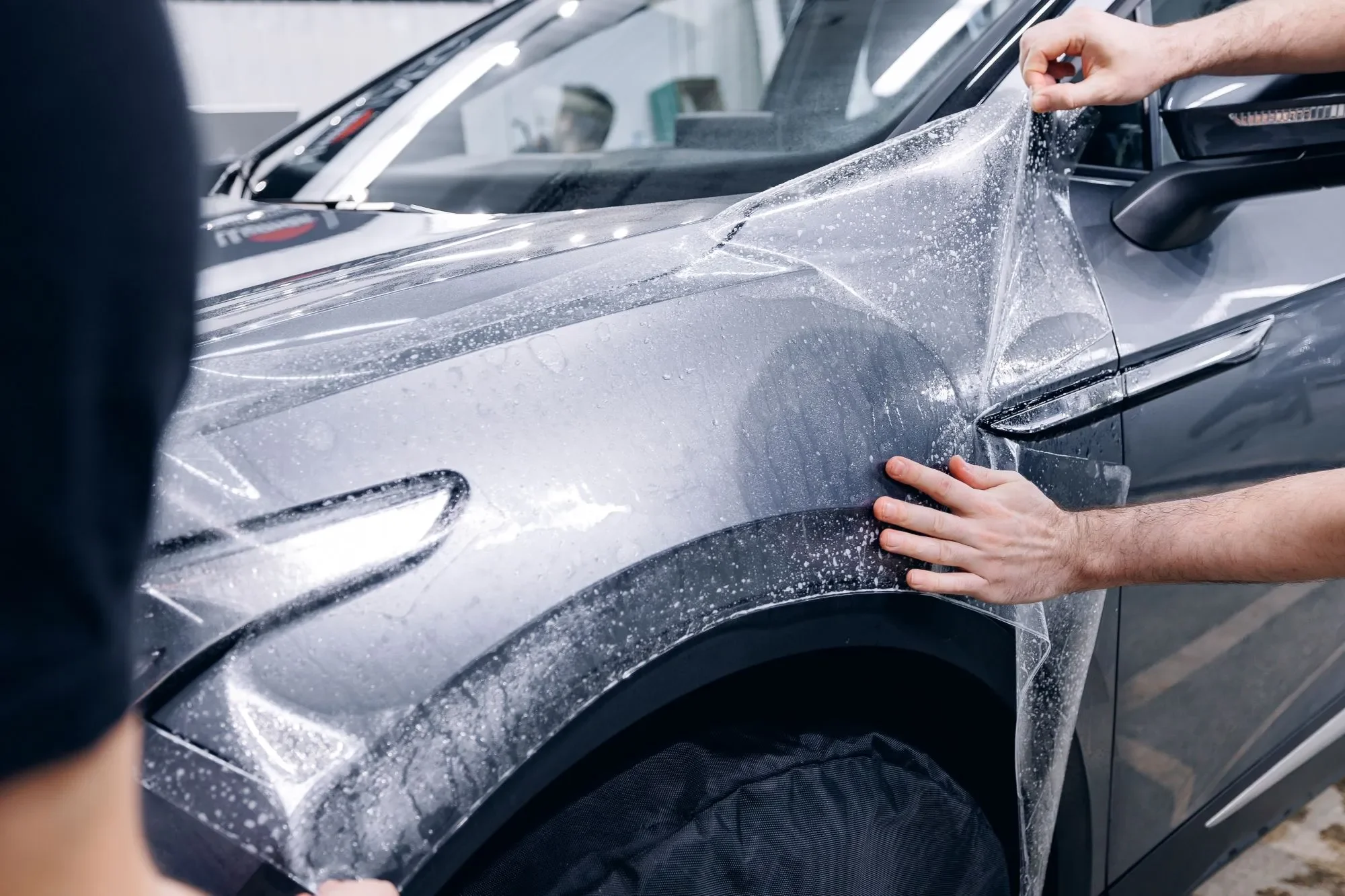
Paint protection film (PPF) helps protect vehicles during Alberta winters by reducing paint damage from sanding chips, gravel, road debris, and abrasive winter conditions. Calgary's use of road salt, chloride brines, and sanding materials creates additional exposure for vehicles travelling on city streets and highways. While PPF provides a physical barrier against several common sources of winter damage, its effectiveness depends on which surfaces are protected and the severity of the impact. Luminous Auto Salon provides PPF installation in Calgary, helping drivers select coverage based on their vehicle and winter driving conditions.
Why Alberta Winters Are Hard on Vehicle Paint
Alberta winters expose vehicle paint to abrasive road materials, chemical contaminants, and changing road conditions. Calgary uses sanding chips, road salt, and chloride-based brines for winter road maintenance, with materials selected according to temperature and road conditions. These create different types of exposure, from direct paint impacts to prolonged contact with contaminated moisture.
Sanding Chips, Gravel, and Winter Road Debris
Sanding chips and loose gravel are significant sources of winter paint damage in Alberta. Materials applied to improve traction can be thrown into the air by passing vehicles, striking the paint of surrounding traffic. When these particles hit with sufficient force, they can chip the clear coat and underlying paint, potentially exposing primer or bare metal.
The risk increases at highway speeds and when travelling behind vehicles that throw loose material from their tires. Even on cleared roads, sanding chips can remain along traffic lanes and become airborne as vehicles pass over them. Repeated impacts can leave concentrated chips on exposed painted surfaces throughout the winter.
Road Salt, Brine, and Winter Contaminants
Road salt and chloride brines mix with melting snow, ice, and road moisture, creating contaminated spray that settles on vehicle surfaces. This mixture frequently collects around wheel openings, lower doors, and other areas exposed to tire spray.
Salt contamination is particularly concerning where paint has already been chipped or damaged. Intact automotive paint provides a protective barrier, but when moisture and chlorides reach exposed metal, they can contribute to corrosion. Contaminated slush can also remain around panel seams and other areas where moisture is slow to drain.
Unlike gravel impacts, salt exposure does not typically cause immediate mechanical damage to intact paint. Its primary concern is prolonged contact with vulnerable surfaces and the corrosion risk associated with existing paint defects.
Freeze-Thaw Conditions and Repeated Winter Exposure
Calgary's fluctuating winter temperatures cause snow and ice to melt and refreeze, repeatedly changing the condition of road surfaces. During warmer periods, melting snow creates slush and standing moisture that can carry sanding chips, salt, and fine road grit.
As roads dry, loose particles may remain on the surface and become airborne again under traffic. This creates repeated opportunities for debris impacts, even between major snowfalls.
Freeze-thaw conditions can also allow moisture to enter existing chips and cracks in the paint finish. These cycles do not automatically damage sound factory paint, but they can contribute to deterioration where the protective finish has already been compromised.
How PPF Protects Paint From Winter Road Damage
PPF is a transparent protective film installed over painted vehicle panels. During winter driving, it provides a layer between the factory finish and external hazards, reducing direct contact from road debris, contaminated moisture, and abrasive particles.
Its protective characteristics serve different purposes depending on whether the exposure involves physical impact, surface contamination, or friction. Understanding these differences helps clarify where the film provides meaningful protection.
Absorbing Impacts From Gravel and Sanding Chips
PPF uses a flexible polyurethane layer to absorb and distribute some of the force generated when small stones or sanding chips strike a vehicle. Instead of contacting the clear coat directly, the debris first encounters the film.
This can prevent or reduce paint chipping from impacts that would otherwise damage an unprotected surface. The film may sustain a mark or indentation while leaving the underlying paint intact, making it particularly useful on panels exposed to frequent winter road debris.
Creating a Barrier Between Winter Contaminants and Paint
PPF separates covered paint from road salt, chloride brines, and other contaminants carried by winter moisture. These materials settle on the film's exterior rather than contacting the underlying clear coat directly.
This barrier is useful when contaminated slush repeatedly strikes painted panels. It reduces direct exposure of the covered finish, particularly where road spray remains on the vehicle between washes.
The film does not chemically neutralize road salt or prevent contamination from reaching adjacent uncovered areas. Its protective effect depends on the film remaining intact and properly adhered to the painted surface.
Protecting Against Minor Surface Abrasion
Fine sand and road grit can cause superficial scratches when dragged across painted surfaces. During winter, this can happen when accumulated dirt is rubbed against a vehicle during snow removal or cleaning.
PPF provides a sacrificial surface that helps prevent light abrasion from reaching the factory clear coat. Some films, including XPEL products used by Luminous Auto Salon, feature self-healing topcoats that can reduce the appearance of superficial marks when exposed to sufficient warmth.
Self-healing properties vary by product and apply to minor surface marks rather than deep scratches or cuts. This makes the feature useful for reducing visible wear from everyday contact without replacing the film's primary physical protection.
Alberta Winter Hazards PPF Can and Cannot Protect Against
PPF provides different levels of protection depending on the type of winter road hazard. Its primary benefit is reducing direct physical damage to covered paint, although it also creates a barrier against surface contaminants.
Sanding Chips and Gravel: Loose stones and sanding materials can chip clear coat and paint when thrown by passing vehicles. PPF absorbs some of the impact energy before debris reaches the painted surface, reducing the likelihood of damage. Protection depends on the force and angle of impact, with larger or sharper particles potentially penetrating the film.
Road Salt and Chloride Brine: Salt-contaminated moisture can contribute to corrosion when it reaches exposed metal through damaged paint. PPF separates covered paint from direct contact with these contaminants, but it does not protect uncovered metal, panel seams, or underbody components.
Abrasive Winter Slush: Slush containing sand and road grit can cause minor scratches when particles rub against painted surfaces. PPF provides a protective layer that reduces abrasion against the clear coat, although sharp particles and heavy friction can still damage the film.
Larger Highway Debris: Objects thrown from surrounding traffic can cause deep scratches, paint damage, and dents. PPF may reduce damage from smaller or glancing impacts, but it cannot reliably prevent damage caused by large objects or excessive impact force.
Snow Removal Contact: Snow brushes and cleaning tools can drag trapped grit across vehicle surfaces, creating fine scratches. PPF helps shield the underlying paint from minor abrasion, but hard scraping or excessive pressure can still mark or cut the film.
Freeze-Thaw Conditions: Repeated melting and freezing exposes vehicles to moisture and contaminants, particularly around existing paint defects. PPF helps separate intact, covered paint from surface moisture but does not prevent temperature changes, seal existing defects, or stop corrosion developing in unprotected areas.
These distinctions matter when evaluating winter protection because PPF addresses direct surface exposure rather than every form of vehicle deterioration. Drivers should prioritize coverage based on the hazards their painted panels encounter most frequently.
Which Parts of a Vehicle Need the Most Winter Protection?
Winter damage tends to concentrate on panels exposed to airborne road debris and material thrown by the vehicle's own tires. The most vulnerable locations depend on vehicle design, driving speed, road conditions, and how debris moves around the body.
Front Bumper, Hood, Fenders, and Mirrors
The front bumper is directly exposed to gravel and sanding chips thrown backward by vehicles ahead. The leading edges of the hood, front fenders, and side mirrors also face frequent debris contact during winter driving.
On some vehicles, impacts extend farther across the hood and fenders rather than remaining near their front edges. This is particularly relevant when comparing partial front coverage against protection extending across the entire panel.
For drivers prioritizing prevention of visible paint chips, these front-facing areas are generally the first surfaces to consider. Their exposure comes primarily from approaching debris rather than material thrown by the vehicle's own wheels.
Rocker Panels, Lower Doors, and Rear Wheel Areas
Rocker panels and lower doors are exposed to debris thrown outward and backward by the front tires. This creates a different damage pattern from front-end impacts, with chips and abrasion accumulating closer to the bottom of the vehicle.
Painted areas around and behind the rear wheel openings may also experience contact with loose gravel and winter road grit. Vehicle body shape, tire width, wheel offset, and mudguard coverage influence how much material reaches these surfaces.
These areas deserve consideration when a vehicle regularly encounters gravel, heavily sanded roads, or substantial tire spray. Standard front-end protection does not cover rocker panels or lower doors unless those areas are specifically included.
When Highway Driving Creates Broader Exposure
Highway driving can expose additional painted surfaces to debris because particles thrown by traffic may travel farther and strike different parts of the vehicle.
On routes such as Deerfoot Trail, Stoney Trail, and Alberta's regional highways, debris may reach the windshield pillars, the leading edge of the roof, and areas beyond the front bumper. The pattern varies with vehicle height, aerodynamics, traffic conditions, and the type of material on the road.
Drivers who regularly encounter these conditions may benefit from considering protection beyond the most obvious front-facing panels. The relevant factor is repeated exposure to debris, not simply whether the vehicle occasionally travels on a highway.
How Much PPF Coverage Makes Sense for Alberta Winter Driving?
Selecting PPF coverage involves balancing the panels most likely to receive damage against the cost of protecting additional surfaces. A driver's winter mileage, road conditions, and preferred level of paint preservation are more useful considerations than vehicle type alone.
City Driving and Lower Annual Mileage
Drivers who primarily make shorter trips within Calgary may find targeted front-end protection sufficient for their needs. Lower annual mileage generally means fewer opportunities for road debris impacts, although city driving still involves exposure to sanding materials and winter road contamination.
Partial front PPF commonly focuses on the bumper, mirrors, and leading sections of the hood and fenders. This concentrates protection on frequently impacted surfaces while leaving the remaining portions of those panels exposed.
For drivers comfortable accepting some cosmetic wear outside the protected areas, this can offer a reasonable balance between coverage and cost. Those who want to avoid a coverage boundary partway across the hood or fenders may prefer full-panel protection.
Regular Calgary Highway and Ring-Road Driving
Drivers who frequently use Deerfoot Trail, Stoney Trail, or other major Calgary routes experience regular exposure to debris thrown by surrounding traffic. Sustained higher-speed driving makes protecting the complete front-end panels worth considering.
Full front-end PPF typically includes the entire hood, front bumper, front fenders, and side mirrors. This reduces exposed paint across the main forward-facing impact areas rather than limiting protection to their leading edges.
Drivers with longer daily commutes should also consider whether rocker panels and lower doors warrant protection. Existing chips along these areas can indicate recurring debris exposure, while owners of new vehicles can assess their usual road conditions, tire positioning, wheel-arch design, and expected exposure to loose gravel. Additional lower-body coverage is most relevant when these factors suggest material will regularly strike the sides of the vehicle.
Frequent Highway, Rural, and Long-Distance Driving
Vehicles regularly travelling on Alberta highways, rural routes, or gravel roads face more opportunities for damage across multiple painted surfaces. Loose aggregate, passing traffic, and repeated long-distance exposure can make front-end-only coverage less comprehensive.
Broader protection may include the windshield pillars, leading roof edge, rocker panels, lower doors, and painted areas around the rear wheels. Full-vehicle PPF is another option for drivers who want to minimize exposed painted surfaces rather than prioritize individual impact zones.
The additional cost is most relevant to drivers who travel frequently, intend to retain their vehicle for an extended period, or place a high priority on preserving the paint finish. Coverage should reflect the surfaces exposed during actual driving rather than assuming every panel faces an equal risk.
What PPF Does Not Eliminate During Winter
PPF reduces several common sources of winter paint damage, but it cannot prevent every form of deterioration or physical impact. The remaining risks are important when deciding how much protection is appropriate and what care the vehicle will still require.
- Paint damage outside protected panels: Uncovered painted surfaces remain exposed to impacts, abrasion, and contamination. Even extensive coverage may leave certain edges, seams, or areas inaccessible to film installation.
- Contaminant buildup and washing requirements: Road salt, brine, dirt, and slush still accumulate on PPF. Regular washing remains necessary to remove contaminants from the film, uncovered surfaces, wheel wells, and other exposed areas.
- Damage exceeding the film's impact tolerance: Large stones, sharp debris, and severe impacts can cut or puncture PPF and damage the paint underneath. The film also cannot prevent dents or structural damage caused by sufficiently forceful impacts.
- Existing chips or paint defects beneath the film: PPF does not repair chipped paint, deteriorating clear coat, or existing corrosion. Damage should be assessed before installation, and necessary repairs should be completed where the paint condition could affect adhesion or leave exposed metal beneath the film.
Protecting Your Vehicle Before Another Calgary Winter
Choosing PPF coverage before winter allows exposed painted surfaces to be protected before seasonal sanding and increased road debris exposure. Calgary drivers should consider their typical routes, winter mileage, and the areas of their vehicle most likely to encounter gravel impacts when selecting a package.
Luminous Auto Salon offers paint protection film installation in Calgary, with several coverage options for different driving requirements. The Bronze Partial Front package includes the full front bumper, mirrors, 24-inch hood coverage, and partial front fenders, while the Gold Full Front package extends protection across the entire hood and front fenders. The Platinum Daily Driver package adds door cups, A-pillars, and the roof line, while the Entire Vehicle package covers all painted surfaces along with headlights and fog lights.
Drivers with significant lower-body gravel exposure should also discuss whether additional protection for rocker panels or lower doors is appropriate and available for their vehicle. Reviewing the included panels before installation helps match PPF coverage to actual Alberta winter driving conditions while avoiding unnecessary coverage on surfaces with comparatively limited exposure.
