
How Long Vehicle Wraps Last in Real Driving Conditions
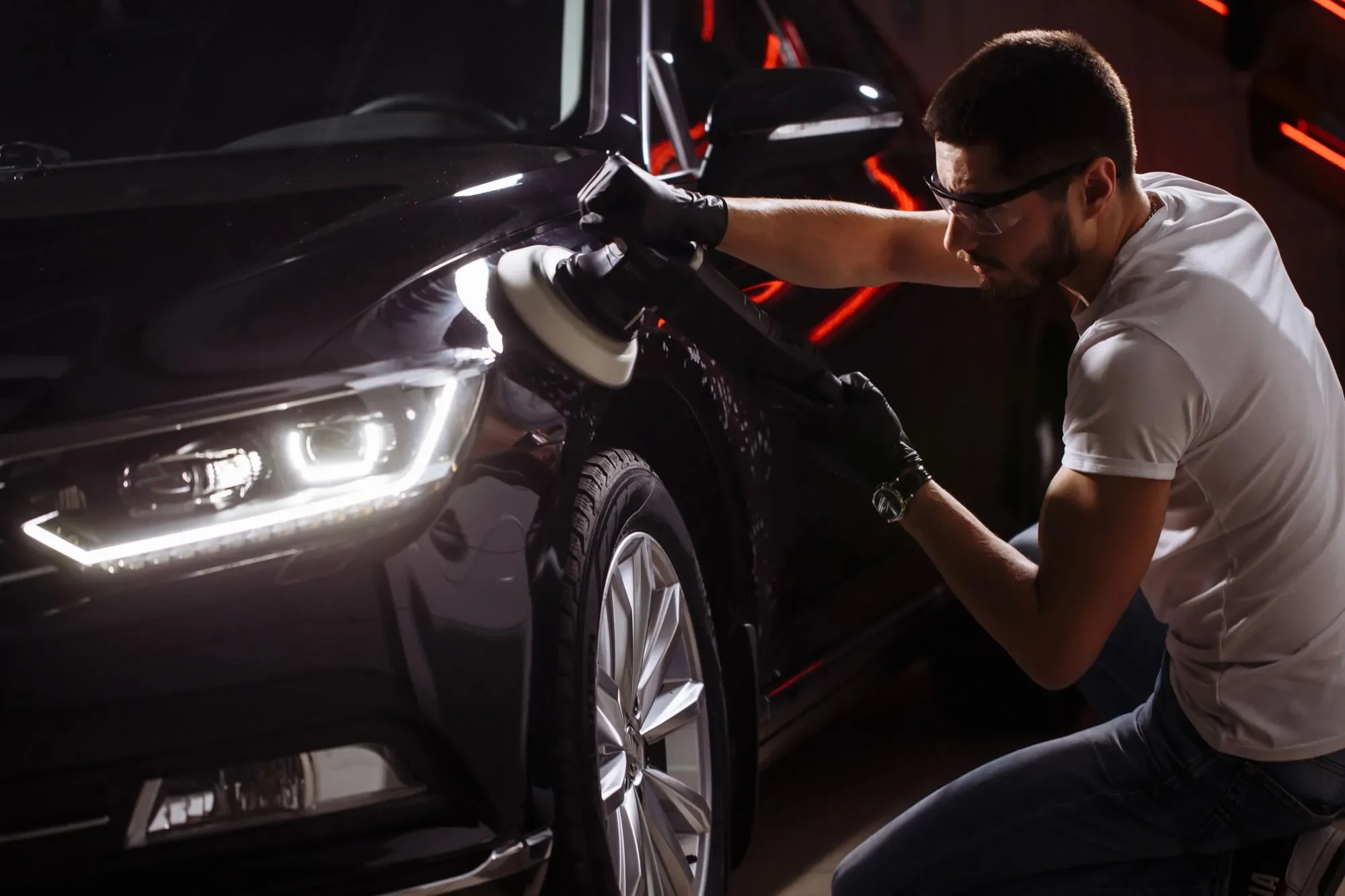
How long a vehicle wrap lasts depends on the vinyl material, installation quality, driving conditions, parking environment, and ongoing maintenance. A professionally installed wrap may maintain its appearance for several years, but daily exposure to sunlight, road debris, and Calgary's winter conditions can shorten its useful life. Luminous Auto Salon explains what affects vehicle wrap lifespan, how to recognize deterioration, and when maintenance, repair, or replacement becomes necessary.
The Realistic Lifespan of a Vehicle Wrap
A professionally installed vehicle wrap typically lasts several years, with many high-quality automotive films offering an expected lifespan of approximately five to seven years under favourable conditions. For vehicles driven daily, parked outdoors, and exposed to demanding weather conditions, planning around a shorter lifespan of approximately three to five years may be more realistic.
These estimates are not guarantees, as different vinyl products have different durability characteristics. Colour-change films and printed commercial graphics may also have different service lives depending on the film, ink, protective laminate, and manufacturer specifications.
A vehicle kept in covered parking and driven occasionally will generally experience less environmental wear than one exposed to daily commuting and outdoor storage. Horizontal surfaces may also deteriorate sooner than vertical panels because they receive more direct sunlight and accumulate environmental contamination.
Manufacturer durability ratings provide a starting point, but they should not be treated as guarantees that a wrap will maintain its original appearance throughout the stated period. Warranty coverage may also differ between horizontal and vertical surfaces, making it important to review the specific product's durability and warranty conditions before installation.
What Shortens the Life of a Vehicle Wrap
Vehicle wrap lifespan is affected by the amount of environmental exposure, physical wear, and cleaning-related stress the vinyl experiences throughout its use. Calgary's seasonal weather, frequent highway driving, and outdoor parking create different conditions that influence how quickly a wrap deteriorates. Understanding these factors helps vehicle owners identify which areas require closer attention and how their driving and storage habits affect the expected lifespan of the material.
Sun Exposure and Outdoor Parking
Prolonged sunlight and heat exposure accelerate the aging of automotive vinyl, particularly on surfaces that face upward. Over time, UV exposure can contribute to fading, discolouration, loss of gloss, and deterioration of the film's surface.
Vehicles parked outdoors throughout the day generally experience more direct sunlight than those stored in covered parking. Roofs, hoods, and other horizontal panels are particularly vulnerable because they receive sustained exposure and collect contaminants between washes.
Outdoor parking does not automatically mean a wrap will fail prematurely, but it increases the importance of material selection and routine maintenance. Owners who cannot regularly park indoors should account for greater environmental exposure when estimating how long their wrap will maintain its intended appearance.
Calgary Winter Roads and Road Salt
Calgary's winter driving conditions expose vehicle wraps to road salt, de-icing materials, slush, and accumulated road grime. These contaminants collect around lower body panels, wheel arches, and other areas exposed to spray from the tires.
Allowing winter residue to remain on the vehicle increases the time that contamination stays in contact with the vinyl and its edges. Road grit trapped against the surface can also contribute to abrasion, particularly when owners attempt to remove accumulated dirt without properly rinsing the vehicle first.
Temperature fluctuations may also worsen existing adhesion problems, particularly where the film has already lifted or was improperly installed. Once an edge becomes loose, moisture and contamination can enter beneath the vinyl and contribute to further separation.
Winter exposure does not create a fixed reduction in wrap lifespan, as its effect depends on the material, driving frequency, and maintenance routine. Vehicles used throughout Calgary's winter months require particular attention to areas where road residue accumulates.
Frequent Highway Driving
Frequent highway driving exposes a vehicle wrap to airborne grit, insects, and debris thrown up by surrounding traffic. Front bumpers, leading hood edges, and other forward-facing surfaces experience the greatest direct exposure.
Repeated contact with road debris can leave visible marks, small tears, or localized damage in the vinyl. The likelihood and severity of damage depend on driving conditions, traffic, vehicle design, and the material striking the surface.
Highway driving also increases contamination from insects and road film, particularly during longer trips. Removing this buildup promptly helps prevent staining and reduces the need for aggressive cleaning that could damage the wrap.
Automatic Car Washes and Harsh Cleaning
Automatic car washes with rotating brushes can scratch, dull, or lift vehicle wrap film, particularly around exposed edges and complex body contours. Touchless automatic washes avoid brush contact, but their chemicals and high-pressure water systems may still present risks depending on the vinyl manufacturer's care instructions.
Pressure washing can force water beneath loose edges or damage the material when the nozzle is held too close to the surface. Owners should follow the film manufacturer's recommendations for washing pressure, nozzle distance, water temperature, and cleaning products.
Harsh solvents, abrasive cleaning compounds, and incompatible polishing products may discolour or permanently alter the wrap's finish. Matte, satin, gloss, and textured films have different cleaning requirements, so products suitable for conventional automotive paint should not automatically be used on vinyl.
Hand washing with a mild, vinyl-compatible cleaning product provides greater control over cleaning pressure and surface contact. Owners should confirm which cleaning methods are approved for their installed film rather than assuming that every automatic wash or detailing product is suitable.
How Installation Quality Affects Wrap Durability
Installation quality influences how securely the vinyl adheres to the vehicle and how well it remains in place during normal driving and environmental exposure. Even a durable automotive film may experience premature problems when the surface is not properly prepared or the material is installed incorrectly.
Before application, the vehicle must be cleaned and prepared to remove contaminants that could interfere with adhesion. Remaining wax, grease, dirt, or other surface residue can prevent the adhesive from establishing consistent contact with the underlying surface.
The installer must also account for the vehicle's curves, recessed areas, panel edges, and complex body contours. Excessive stretching, insufficient application heat, or failure to follow the manufacturer's installation procedures can contribute to lifting, shrinkage, and premature separation.
Early lifting, bubbles, or separation may indicate an installation or adhesion problem rather than normal material aging, particularly when these defects develop shortly after application. Owners should contact the installer when these problems appear instead of attempting to correct them with household adhesives or excessive heat.
Vinyl material selection also matters because different films have different durability ratings, conformability, and intended applications. A product designed for temporary graphics should not be expected to provide the same service life as a suitable long-term automotive wrapping film.
Before installation, owners should confirm which vinyl product will be used and review its expected durability, intended application, and warranty conditions. Manufacturer material warranties and installer workmanship warranties may cover different defects, so the applicable coverage should be established before proceeding.
How Different Wrap Areas Wear Over Time
Different parts of a vehicle experience different levels of sunlight, contamination, abrasion, and mechanical stress. As a result, one section of a wrap may show significant aging while other areas remain in acceptable condition.
Roof and hood: These horizontal surfaces receive prolonged sunlight and collect water, dust, and environmental contaminants. They may show fading, surface deterioration, or loss of finish before less-exposed vertical panels.
Front bumper and leading edges: These areas experience direct exposure to highway debris, insects, and road grit. Small tears, surface marks, and localized damage may become visible sooner than on more protected body panels.
Side panels and doors: Vertical surfaces generally receive less direct overhead sunlight than the roof and hood. However, door edges, handles, and areas near the wheels experience repeated contact, road spray, and contamination.
Mirrors, corners, and recessed areas: These sections involve more complex shapes and material stretching during installation. Areas with inadequate adhesion or excessive material tension may develop lifting, shrinkage, or separation over time.
Wrap coverage also affects overall lifespan expectations. A partial wrap covering primarily horizontal surfaces may experience different aging patterns than a full wrap that includes both horizontal and vertical panels.
A difference in appearance between panels does not automatically mean the entire wrap needs replacement. Owners should assess whether deterioration is limited to individual sections or has developed across multiple areas before deciding on the appropriate treatment.
Signs a Wrap Is Nearing the End of Its Lifespan
Aging vinyl may gradually lose its original colour, gloss, or surface texture. Fading and discolouration are particularly noticeable when exposed panels develop a different appearance from areas that receive less sunlight.
Minor fading is primarily a cosmetic concern and does not automatically mean the wrap requires immediate replacement. However, significant discolouration across multiple panels may indicate that the material is approaching the end of its intended appearance-related service life.
More advanced deterioration can appear as cracking, splitting, peeling, or a dry and brittle surface. These changes indicate that the material is losing its original flexibility or surface integrity and should be assessed before further deterioration complicates removal.
Lifting edges, bubbles, and wrinkles also require attention, but they do not always indicate that the wrap has reached the end of its lifespan. These problems can develop because of localized adhesion issues or installation defects, even when the remaining material is in acceptable condition.
Owners should distinguish between isolated defects and deterioration affecting multiple panels. Small areas of lifting may be repairable, while widespread cracking, persistent peeling, or significant material deterioration indicates that replacement or removal should be considered.
How to Help a Vehicle Wrap Last Longer
Regular cleaning helps preserve a vehicle wrap's appearance by preventing prolonged contact with accumulated dirt and environmental contamination. Washing frequency should follow the vinyl manufacturer's recommendations and account for how quickly the vehicle becomes dirty during normal use.
Vehicles exposed to winter road salt, frequent highway driving, or outdoor parking may require more frequent cleaning than vehicles used occasionally. Loose grit should be rinsed away before washing, particularly after winter driving or extended highway travel.
Hand washing with a mild, vinyl-compatible cleaning product helps remove accumulated dirt without unnecessary abrasion or mechanical stress. Owners should use clean, soft washing materials and avoid scrubbing contaminated surfaces, as trapped debris can scratch or mark the vinyl.
Bird droppings, insect residue, tree sap, and other potentially damaging contaminants should be removed promptly using products approved for the installed film. Leaving these substances on the surface increases the risk of staining or deterioration, especially during prolonged sun exposure.
Covered parking reduces direct sunlight and environmental exposure when the vehicle is not in use. Where indoor parking is unavailable, choosing shaded parking when practical can help limit prolonged UV exposure.
Waxes, polishes, and other protective treatments should only be used when approved for the specific vinyl product. Treatments designed for gloss finishes may alter the appearance of matte, satin, or textured films, making manufacturer compatibility important before application.
Owners should also inspect the wrap periodically, paying particular attention to panel edges, recessed areas, and sections exposed to frequent road debris. Addressing localized lifting or damage early may prevent an otherwise repairable problem from spreading to adjacent material.
After installation, follow the installer's instructions regarding the initial waiting period before washing, approved cleaning products, and any recommended maintenance treatments. These requirements vary by material and should take precedence over general vehicle-care recommendations.
When to Repair, Replace, or Remove a Vehicle Wrap
The appropriate treatment depends on the extent of the damage, the condition of the remaining vinyl, and whether the affected section can be restored without compromising the surrounding material. Localized defects should be evaluated differently from deterioration affecting the entire wrap.
Minor lifting, small tears, or isolated damage may be repairable when the remaining vinyl is flexible and securely attached. However, a repair should address the underlying cause of the defect rather than simply concealing an adhesion problem or deteriorating material.
Panel replacement is a practical option when damage is limited to one section and the remaining wrap is in acceptable condition. Colour and finish differences may be visible between newly installed vinyl and older material, particularly when the original wrap has experienced significant fading or environmental exposure.
A full replacement becomes more appropriate when deterioration affects multiple panels and isolated repairs would leave large areas of aging material in place. Repeatedly replacing individual sections may provide limited long-term value when the remaining vinyl is approaching the end of its useful service life.
Removal should be considered when the existing wrap is no longer serviceable, the owner does not intend to install another wrap, or the material is approaching its manufacturer's recommended removal period. Owners should retain the installation date and product information so they can establish the appropriate timeframe and arrange professional assessment when necessary.
Severely deteriorated vinyl should not be left on the vehicle indefinitely, particularly when the film has become brittle or begun separating into small pieces. Continuing to use material in this condition may complicate eventual removal, making timely assessment important.
Owners should not attempt to conceal widespread deterioration by applying new vinyl directly over failing material. The existing wrap should be assessed first to determine whether localized repair, panel replacement, or complete removal is the appropriate next step.
Vehicle Wrap Planning With Luminous Auto Salon
Planning a vehicle wrap involves considering the intended ownership period, daily driving conditions, parking environment, and maintenance habits. Luminous Auto Salon offers vehicle wrap services for Calgary vehicle owners who want to change their vehicle's appearance or apply custom vinyl graphics.
Before installation, owners should establish which vinyl product is being proposed, its expected durability, and whether the intended coverage includes areas with different exposure-related lifespan expectations. The quote should also identify the proposed installation coverage, applicable warranty conditions, and recommended maintenance requirements.
Vehicle owners planning to keep their wraps for several years should account for both the initial installation and the ongoing care required to preserve the finish. Understanding the selected material's durability and maintenance needs helps establish realistic expectations for eventual repair, replacement, or removal.
Visit Luminous Auto Salon to discuss your vehicle wrap requirements and request a quote based on your vehicle, desired coverage, and intended use. Before proceeding, confirm the selected vinyl product, expected service life, maintenance requirements, and applicable warranty coverage so the installation matches your long-term plans.
