
Ceramic Coating vs Wax or Sealant
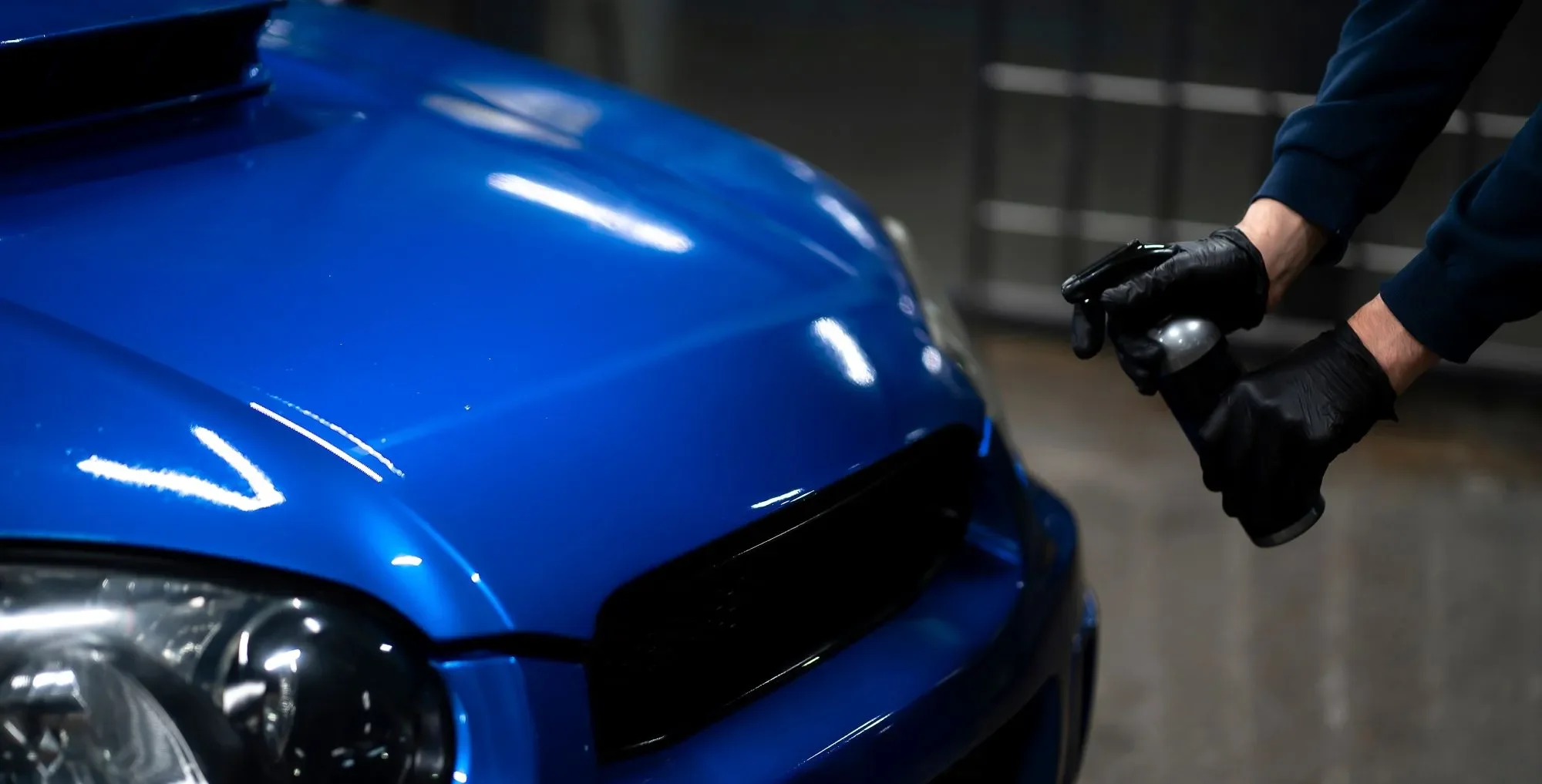
Ceramic coating vs wax or sealant is a decision about durability, appearance, maintenance, chemical resistance, and the cost of protecting your vehicle's paint. Wax provides temporary gloss and basic protection, paint sealant offers longer-lasting synthetic protection, and ceramic coating provides a more durable protective layer. Each option has different maintenance requirements, application costs, and performance limitations. Luminous Auto Salon compares these paint protection options to help Calgary vehicle owners choose an approach that matches their driving habits, budget, and long-term expectations.
The Main Difference Between Ceramic Coating, Wax, and Sealant
The main difference between ceramic coating, wax, and paint sealant is how each product adheres to the vehicle's finish and how long its protective properties remain effective. Wax creates a temporary protective layer that gradually wears away through washing and environmental exposure, while traditional paint sealants use synthetic formulations to provide protection that generally lasts longer than conventional wax.
Professional ceramic coatings cure into a durable layer that adheres to the prepared surface, providing longer-lasting water repellency and resistance to certain environmental contaminants. Wax and sealant generally cost less to apply but require more frequent reapplication, while ceramic coating involves a higher initial investment, particularly when professional paint preparation is necessary.
How Each Option Protects Your Paint
Wax for Short-Term Gloss and Basic Protection
Automotive wax creates a temporary protective layer over the vehicle's clear coat. It enhances gloss, provides water repellency, and creates a sacrificial barrier against light environmental contamination.
Conventional carnauba wax typically maintains its protective properties for several weeks to a few months, depending on the formulation, weather exposure, and washing frequency. Hybrid and synthetic wax products have different durability characteristics, so their performance should not be assumed to match traditional carnauba wax.
Wax suits vehicle owners who prioritize appearance and prefer maintaining their finish through regular detailing. It is also a reasonable option for vehicles driven occasionally or stored indoors, where environmental exposure is limited.
Paint Sealant for Longer Synthetic Protection
Paint sealant uses synthetic ingredients to create a protective layer that generally lasts longer than conventional automotive wax. It provides water repellency, surface gloss, and a barrier against everyday environmental contamination.
Traditional synthetic sealants commonly maintain their protective properties for several months, although durability varies by formulation, application conditions, and maintenance. Some modern sealants incorporate ceramic-based ingredients and offer different performance characteristics, so product-specific durability claims should be considered when comparing options.
Paint sealant suits vehicle owners who want longer intervals between protective applications without committing to professional ceramic coating. It offers a practical balance between upfront cost, durability, and the ability to maintain the vehicle through periodic DIY detailing.
Ceramic Coating for Stronger Bonded Protection
Ceramic coating is a liquid-applied protective treatment that cures into a durable layer bonded to the prepared vehicle surface. Professional ceramic coatings are designed to maintain their protective properties over an extended period, although performance depends on the selected product and its application.
The cured coating creates a hydrophobic surface that helps water and loose dirt release during washing. Depending on its formulation, it also provides improved resistance to certain environmental contaminants and compatible cleaning chemicals. However, chemical resistance does not eliminate the need to remove road salt, bird droppings, and other potentially damaging residues promptly.
Ceramic coating does not make paint scratch-proof or prevent damage from stone chips and road debris. Its primary advantages are longer-lasting surface protection and easier cleaning rather than resistance to physical impacts.
Ceramic Coating vs Wax vs Sealant
The following comparison outlines the practical differences between conventional automotive wax, traditional synthetic paint sealant, and professionally applied ceramic coating. Actual performance depends on the selected product, surface preparation, environmental exposure, and maintenance routine.
Durability
Wax provides short-term protection that generally lasts several weeks to a few months. Traditional paint sealants typically last several months, while professional ceramic coatings offer longer-lasting protection, with multi-year products available depending on the formulation and maintenance requirements.
Upfront Cost
Wax generally has the lowest upfront cost, followed by paint sealant. Professional ceramic coating requires a higher initial investment, particularly when paint correction or additional surface preparation is necessary.
Gloss and Appearance
Wax enhances paint depth and shine, while paint sealant provides a glossy finish that generally lasts longer between applications. Ceramic coating helps maintain the appearance of a properly prepared finish over an extended period, although the final result depends on the condition of the underlying paint.
Water Repellency
All three options provide water-repellent properties, but their durability differs. Wax requires more frequent renewal, paint sealant generally maintains water repellency longer, and ceramic coating offers more persistent hydrophobic performance when properly maintained.
Chemical Resistance
Wax provides limited resistance to chemical contamination, while paint sealant offers varying levels of protection depending on its formulation. Ceramic coatings generally provide greater resistance to certain environmental contaminants and compatible cleaning chemicals, although performance depends on the specific product and exposure conditions.
UV-Related Protection
UV protection varies by product formulation rather than protection category alone. Wax, paint sealant, and ceramic coating may offer different levels of UV-related protection, but none guarantees that paint will never fade, oxidize, or experience clear-coat deterioration.
Routine Maintenance
Wax requires regular washing and frequent reapplication, while paint sealant generally allows longer intervals between protective treatments. Ceramic coating reduces the frequency of full reapplication but still requires regular washing and coating-compatible maintenance.
Application Requirements
Wax and traditional paint sealant are generally suitable for DIY application. Professional ceramic coatings typically require more extensive surface preparation, controlled application conditions, and appropriate curing time to achieve the intended results.
Long-Term Cost
Wax and paint sealant involve lower initial expenses but require repeated applications throughout the vehicle's ownership period. Ceramic coating has a higher upfront cost but reduces the frequency of full protective treatments. The overall cost depends on the selected products, professional application fees, maintenance requirements, and how long the vehicle is kept.
Which Option Makes Sense for Your Vehicle?
Best Choice for Daily Drivers
Daily drivers encounter regular exposure to road grime, traffic film, rain, and seasonal contaminants. Vehicle owners should consider how frequently they drive, where the vehicle is parked, and how long they intend to keep it when selecting paint protection.
Ceramic coating is suitable for drivers who use their vehicles throughout the year, regularly encounter winter road conditions, and intend to maintain their paint over an extended ownership period. Paint sealant is a practical alternative for daily drivers who want protection between seasonal detailing appointments without the higher initial expense of professional coating installation.
Wax remains reasonable for owners who already maintain a frequent detailing schedule and are prepared to renew their protection as needed. For a vehicle scheduled for replacement in the near future, the remaining ownership period may not justify investing in a long-lasting coating.
Best Choice for Low-Maintenance Owners
Ceramic coating generally suits owners who want to reduce the frequency of protective product applications and simplify routine cleaning. Its hydrophobic properties help water and loose contaminants release from the surface, making accumulated dirt easier to remove during washing.
However, ceramic coating does not replace regular washing or eliminate the need for prompt contaminant removal. The vehicle still requires appropriate cleaning to prevent road salt, bird droppings, and other residues from remaining on the finish.
Coating maintenance requirements vary between manufacturers and products. Some coatings require specific maintenance products, periodic inspections, or professional maintenance to preserve performance or satisfy warranty conditions. Owners should confirm these requirements before purchasing rather than assuming that every coating is maintenance-free.
Wax and sealant also require regular washing, with additional time needed for protective product reapplication. Owners who prefer occasional DIY detailing may find a synthetic sealant more practical than committing to professional coating installation and its associated care requirements.
Best Choice for Gloss and Showroom Finish
Wax, sealant, and ceramic coating all enhance paint appearance, but the visual result depends on the product formulation, surface preparation, and condition of the underlying paint. Traditional carnauba wax appeals to some owners seeking a particular depth of gloss that they can refresh through regular detailing, while synthetic sealants and ceramic coatings produce finishes with different appearance and durability characteristics.
Ceramic coating is suitable for owners who want to preserve the appearance of a properly prepared finish over an extended period. However, a coated vehicle does not automatically have a better visual finish than a properly prepared vehicle protected with wax or sealant.
For vehicles maintained primarily for appearance, the choice depends on the desired finish and how frequently the owner is willing to refresh it. Surface preparation has a greater influence on the visibility of existing paint defects than the choice of protective product alone.
Best Choice for Long-Term Protection
Ceramic coating is generally the more suitable option for owners seeking paint protection over multiple years without frequent full reapplication. Its longer service life makes it relevant for vehicles that will remain in regular use throughout an extended ownership period.
However, advertised coating durability should be evaluated alongside the manufacturer's maintenance requirements and any conditions attached to its warranty. A multi-year durability claim does not guarantee that gloss, water repellency, and chemical resistance will remain unchanged throughout that period.
A decline in water beading does not necessarily mean the coating has completely failed. Surface contamination can interfere with hydrophobic performance, and appropriate cleaning or manufacturer-approved maintenance may restore some of those properties.
Owners should have a coating's condition assessed before assuming that full removal and reapplication are necessary. The appropriate treatment depends on whether the coating is contaminated, experiencing reduced surface performance, or has deteriorated beyond effective maintenance.
Where Wax and Sealant Fall Short
The primary limitation of conventional wax and paint sealant is the need to renew the protective layer as it wears away. For vehicles exposed to frequent washing, outdoor parking, and winter road conditions, maintaining consistent protection requires attention to reapplication intervals.
When an application deteriorates, water repellency and resistance to environmental contamination decline. Owners who delay reapplication may find that road grime and other residues become more difficult to remove from the paint.
Changes in water beading, surface slickness, or cleaning performance may indicate that a product requires attention, but these characteristics alone do not establish whether protection has completely disappeared. Owners should follow the selected product's recommended maintenance and reapplication schedule rather than relying exclusively on visual signs of deterioration.
For drivers who regularly maintain their vehicles, these limitations may be acceptable. However, owners who struggle to maintain consistent reapplication intervals should consider whether a longer-lasting protective treatment better matches their maintenance habits.
When Ceramic Coating Is Worth the Upgrade
Ceramic coating is worth the higher upfront cost when its expected service life and maintenance benefits justify the additional expense over the vehicle's planned ownership period. For owners who regularly pay for professional waxing or sealant applications, the appropriate comparison is the total cost of maintaining each protection method over the same period.
This comparison should include initial surface preparation, protective product applications, routine washing, required maintenance treatments, and eventual reapplication or replacement. The calculation differs for owners who apply inexpensive wax or sealant themselves, as ceramic coating does not automatically cost less over the long term.
Vehicle exposure also affects the decision, particularly for owners who frequently drive in winter conditions or park outdoors. These drivers may place greater value on ceramic coating's durability and resistance to environmental contamination, although coating the painted surfaces does not replace winter washing, underbody maintenance, or appropriate corrosion protection.
An existing wax or sealant application does not automatically need to be replaced with ceramic coating. Owners satisfied with their current protection and maintenance routine may reasonably continue using it until their requirements change or the existing product needs renewal.
Ceramic coating becomes more relevant when the owner intends to retain the vehicle long enough to benefit from its extended service life. The additional protective properties must also justify the installation and ongoing care costs compared with maintaining the vehicle using wax or sealant.
Why Paint Correction Matters Before Ceramic Coating
Ceramic coating does not remove existing swirl marks, scratches, oxidation, or other paint defects. Because the coating creates a transparent protective layer, imperfections beneath it generally remain visible after application.
Thorough cleaning, decontamination, and appropriate surface preparation are necessary before coating application to support proper adhesion. Paint correction is a separate preparation process that uses controlled polishing to reduce correctable surface defects and improve the clarity of the vehicle's finish.
Not every vehicle requires extensive correction. Paint in good condition may need only thorough cleaning, decontamination, and limited polishing, depending on the coating manufacturer's application requirements. More heavily affected surfaces may require additional correction to achieve the desired appearance.
Deep scratches that extend beyond the correctable portion of the clear coat may require touch-up or repainting rather than polishing. Excessive polishing also removes clear coat, so attempting to eliminate every visible defect is not always appropriate.
Applying ceramic coating over existing defects can make subsequent correction more expensive. Polishing the affected area after application may remove or compromise the coating, requiring additional surface preparation and reapplication to restore protection.
Owners should have the paint assessed before choosing a coating package. The inspection helps establish which defects can reasonably be corrected, how much preparation is necessary, and whether the expected visual improvement justifies the additional cost.
Choosing Paint Protection With Luminous Auto Salon
Choosing between ceramic coating, wax, and sealant starts with understanding your vehicle's paint condition, daily exposure, maintenance preferences, and expected ownership period. Luminous Auto Salon provides ceramic coating services for Calgary vehicle owners considering longer-lasting paint protection.
Before selecting a coating, owners should establish the required surface preparation, expected protective performance, and maintenance obligations associated with the proposed treatment. A coating quote should identify the selected product, preparation work included, total installation cost, expected service life, and any applicable maintenance or warranty requirements.
These details allow owners to compare the proposed treatment against continued use of wax or sealant without relying solely on advertised durability. Visit Luminous Auto Salon to discuss your vehicle's current paint condition and request a ceramic coating quote based on its specific preparation and protection requirements.
