
Common Mistakes to Avoid When Installing a Vehicle Wrap
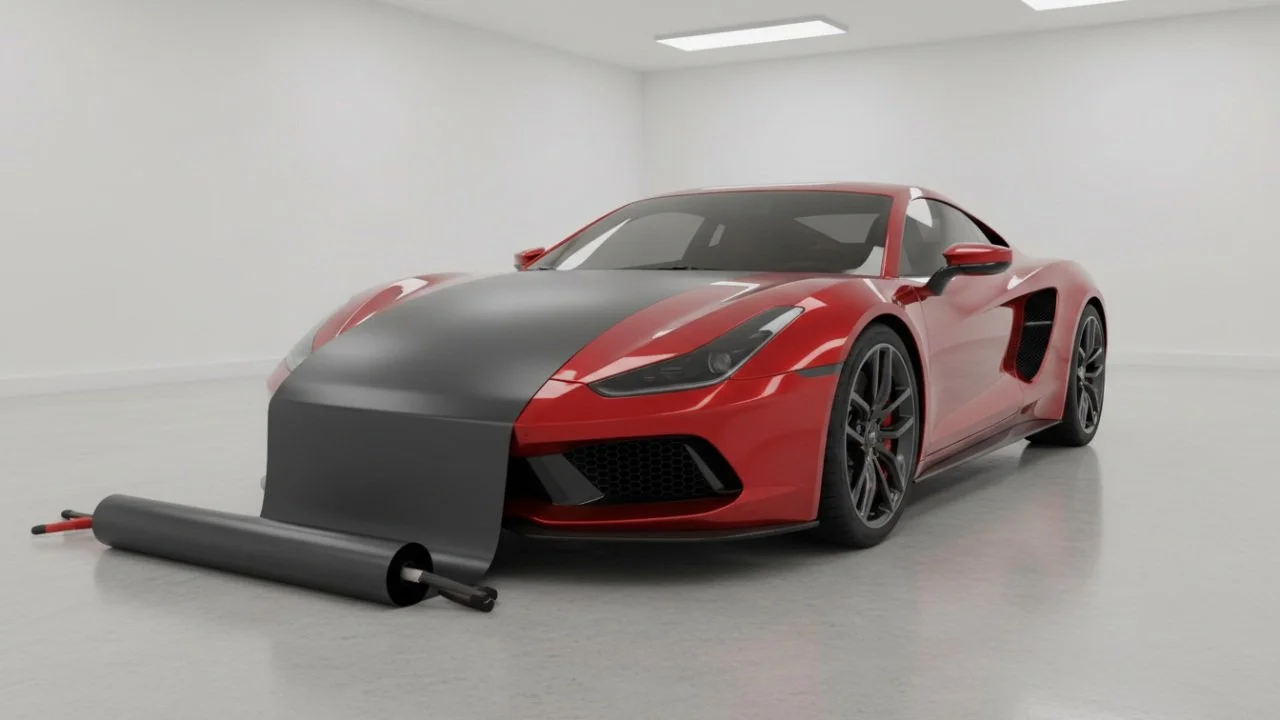
Common Car Wrap Mistakes to Avoid During Installation
Installing a vehicle wrap can completely transform the look of your car, giving it a fresh color, texture, or style. But while wraps look easy in videos, the reality is a bit trickier. A single mistake during installation can ruin the entire look and even damage your car’s paint. In this post, we’ll cover the most common mistakes people make when installing a vehicle wrap and how to avoid them.
Understanding Vehicle Wrap Installation
Vehicle wrap installation is more than just sticking vinyl on your car. It involves precision, preparation, and a proper understanding of materials. Whether you’re going matte, gloss, or a specialty finish, knowing the process helps avoid costly errors.
Professional Auto Salon teams emphasize that careful planning and preparation are crucial. Skipping even small steps can lead to bubbles, wrinkles, or peeling later on.
Skipping Surface Preparation
One of the biggest car wrap mistakes is not properly cleaning and prepping your vehicle. Dirt, oil, and wax residue can prevent the vinyl from sticking correctly.
Before installing a wrap, make sure to:
Wash the car thoroughly with soap and water.
Use isopropyl alcohol or a similar cleaner to remove leftover wax or grease.
Inspect for rust, scratches, or dents that could show through the wrap.
Professional Auto Salon technicians never skip this step because even a speck of dirt can create bubbles under the vinyl.
Choosing the Wrong Vinyl Material
Not all vinyl is created equal. Picking the wrong type can make your wrap fade, peel, or tear easily. This is why it’s important to consult with a trusted Auto Salon.
High-quality vinyl is designed to stretch, withstand heat, and resist fading over time. Cheaper materials might save you money upfront, but often lead to regret later. Remember, using the #1 shop for Paint Protection Film (PPF) can also give you access to top-tier vinyl brands that protect your car’s paint while looking amazing.
Ignoring Temperature and Environment
Vinyl behaves differently depending on the temperature and environment. Installing a wrap in extreme heat or cold can lead to bubbles, stretching issues, and adhesive problems.
Experts recommend:
Wrapping in a controlled environment or garage.
Keeping temperatures between 60–80°F (15–27°C) for the best results.
Avoid dusty or humid areas during installation.
This is one of those subtle mistakes that beginners often overlook, but Auto Salon pros make it a priority every time.
Using Incorrect Wrap Techniques
Incorrect wrap techniques are another major cause of failed installations. Stretching the vinyl too much, applying uneven pressure, or neglecting edges can ruin the finish.
Key points to remember:
Use a heat gun carefully to stretch the vinyl around curves.
Smooth out bubbles with a squeegee, working from the center outward.
Trim excess vinyl precisely around edges, seams, and handles.
Professional vehicle wrap installation ensures that these techniques are executed perfectly, resulting in a seamless look.
Not Accounting for Car Curves and Contours
Many people make the mistake of applying a wrap like it’s a flat sheet, ignoring the car’s curves and contours. Cars aren’t flat, and each bump, curve, and groove needs special attention.
Pre-stretch the vinyl for rounded areas.
Use overlapping layers carefully on complicated curves.
Work slowly and systematically to avoid wrinkles or bubbles.
Auto Salon installers are trained to handle every shape, ensuring that the vinyl hugs your car like a glove.
Rushing the Installation
Rushing is a recipe for disaster. Trying to finish too quickly can cause:
Wrinkles and air bubbles.
Uneven edges or misaligned seams.
Stretched or torn vinyl.
Patience is key. Auto Salon technicians typically take several hours to wrap a car properly, depending on the size and complexity. It’s always better to invest time up front than to fix mistakes later.
Skipping Edge Sealing
Edge sealing is often overlooked, but it’s crucial for durability. Unsealed edges can peel over time, especially in areas exposed to rain, sun, or car washes.
A proper seal protects:
Against moisture that can seep under the vinyl.
From dirt and grime buildup along edges.
The overall longevity of your wrap.
Professional Auto Salon teams make sealing a standard step in vehicle wrap installation, ensuring long-lasting results.
Not Considering Long-Term Durability
Another mistake people often make when installing a vehicle wrap is not thinking about long-term durability. Many focus on the immediate look and forget that a wrap is meant to last for years. Using low-quality materials or skipping professional installation might save money initially, but it often leads to peeling, fading, and bubbles down the road.
Environmental factors like sun exposure, rain, and temperature changes can also affect the wrap if it’s not applied correctly. Auto Salon experts always plan for durability, choosing vinyl that can handle heat, UV rays, and everyday wear. They also ensure proper stretching, edge sealing, and alignment to prevent premature damage.
By considering long-term durability upfront, you can avoid frequent repairs and maintain both the car’s appearance and its paint protection. Investing in quality materials and professional installation is always worth it.
Not Protecting Your Car Paint
A wrap isn’t just for style—it also helps protect your car paint. But installing without proper techniques can cause scratches or damage.
Always consider:
Using a high-quality base like a Paint Protection Film (PPF).
Avoid using sharp tools directly on the paint.
Ensuring the car is clean and defect-free before wrapping.
Using the #1 shop for Paint Protection Film (PPF) and trusted Auto Salon services means your car gets both a stunning look and automotive surface protection.
Common Car Wrap Mistakes Summary
Here’s a quick checklist of mistakes to avoid:
Skipping surface preparation.
Using low-quality vinyl.
Ignoring temperature and environment.
Applying incorrect wrap techniques.
Rushing the installation process.
Neglecting curves and contours.
Skipping edge sealing.
Failing to protect your car's paint.
Avoiding these common pitfalls is the key to a flawless wrap that looks professional and lasts for years.
Installing a vehicle wrap is an art and a science. It’s not just about the final look, it’s about protecting your car paint and making sure your wrap lasts. Avoiding common car wrap mistakes and following professional techniques from Auto Salon experts ensures your car looks stunning, stays protected, and maintains its value.
When in doubt, trust the #1 shop for Paint Protection Film (PPF), Luminous Auto Salon, and professional vehicle wrap installation to get flawless results. Your car deserves both style and protection, and with careful planning, you can achieve both without headaches.
Frequently Asked Questions
Q1: Can I install a vehicle wrap myself?
Answer: While DIY is possible, professional installation ensures precision, prevents mistakes, and protects your car paint. Auto Salon experts make the process look easy, but years of experience go into perfect results.
Q2: How long does a vehicle wrap last?
Answer: With proper care and professional installation, a wrap can last 5–7 years, depending on the material and environment.
Q3: Will wrapping my car damage the paint?
Answer: No, as long as the surface is prepped correctly and high-quality vinyl is used. Using a Paint Protection Film (PPF) adds an extra layer of security.
Q4: How do I maintain my wrap?
Answer: Hand wash gently, avoid harsh chemicals, and keep it away from prolonged sunlight to prevent fading. Auto Salon teams often provide aftercare tips.
Q5: Can I wrap over a PPF?
Answer: Yes, many high-quality installations combine wraps with PPF for maximum automotive surface protection.