
PPF vs Ceramic Coating: Which Is Better?
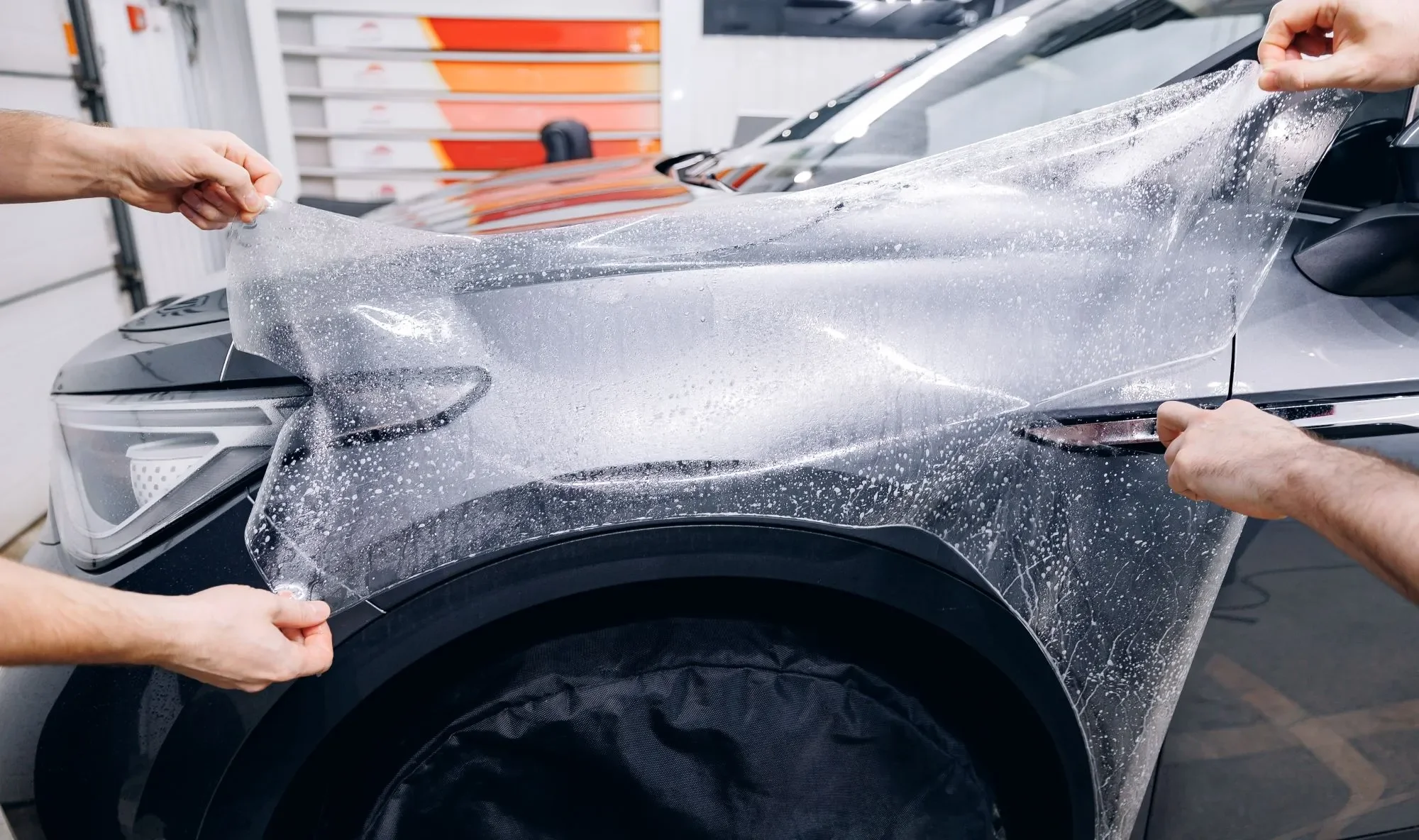
If you are comparing PPF vs ceramic coating, the answer depends on what type of protection your vehicle actually needs. While both are designed to help preserve paint, they solve different problems and should not be viewed as interchangeable products.
PPF is designed to absorb physical impact before it reaches the paint. Ceramic coating is designed to create a protective surface layer that helps resist contamination and simplifies maintenance. At Luminous Auto Salon, this distinction is usually the deciding factor when determining which protection option makes the most sense for a vehicle.
The Core Difference Between PPF And Ceramic Coating
The biggest mistake vehicle owners make is assuming both products provide the same level of protection. They do not. One protects against physical damage. The other protects against environmental exposure and surface contamination. Understanding that difference eliminates most of the confusion around choosing between them.
PPF Protects Against Physical Impact
Paint protection film is a thick, transparent urethane film installed directly over painted surfaces. Its primary purpose is to absorb impact before it reaches the paint underneath.
PPF is designed to help protect against rock chips, gravel strikes, minor abrasion, and certain types of surface scratching. Because the film acts as a sacrificial layer, damage often occurs to the film rather than the paint itself. Light contact from road debris, wash equipment, or everyday use may affect the film without reaching the paint, although deeper scratches and stronger impacts can still damage the film itself.
This type of protection is most valuable on areas that regularly encounter road debris, including front bumpers, hoods, fenders, mirrors, rocker panels, and rear wheel impact zones.
Not all PPF products provide identical protection. Film thickness, construction, and product quality can influence how effectively the film handles impact over time.
Ceramic Coating Protects The Paint Surface
Ceramic coating is a liquid-applied protective layer that bonds to the paint surface after curing. Rather than absorbing impact, it creates a more resistant exterior surface. Unlike waxes or sealants that gradually wear away from the surface, ceramic coating forms a more durable layer that remains bonded to the paint for an extended period when properly maintained.
Ceramic coating helps reduce contamination from road grime, bug residue, bird droppings, tree sap, and other environmental deposits. It also improves water behavior on the paint, making routine washing easier.
However, ceramic coating is not designed to stop rock chips, gravel strikes, or other impact-related damage. Paint can still be chipped through a ceramic coating because the coating itself is extremely thin. While some coatings may provide limited resistance to very light wash marring, they should not be viewed as protection against physical paint damage.
Rock Chips, Scratches, Road Salt, UV, And Washing
Drivers frequently focus on appearance benefits while overlooking the source of most paint damage. For vehicles regularly exposed to Calgary highways, gravel roads, and winter driving conditions, physical impact often creates more permanent paint damage than contamination alone.
Many premium PPF products also include self-healing technology. Minor surface marks in the film can become less visible when exposed to heat, helping the film maintain a cleaner appearance over time.
For vehicles exposed to frequent gravel, construction zones, or long-distance commuting, impact protection often becomes the deciding factor. For vehicles primarily driven in urban environments with lower exposure to debris, maintenance and appearance benefits may carry more weight.
When PPF Is The Better Choice
PPF becomes the stronger option when preventing paint damage is the primary objective. The higher initial investment is generally justified when the cost of repairing paint damage would be significantly greater than the cost of protection.
Highway Driving And Rock Chip Exposure
Vehicles that regularly travel on Deerfoot Trail, Stoney Trail, Highway 1, or other high-speed routes face a higher likelihood of rock chip damage.
At highway speeds, small stones and debris can strike painted surfaces with enough force to chip clear coat and paint. Ceramic coating does not provide meaningful resistance to this type of impact.
For drivers who accumulate substantial highway mileage, PPF typically addresses the most common source of paint damage more effectively than ceramic coating alone. Exposure frequency and driving conditions generally matter more than how long the vehicle has been owned.
High-Value Vehicles And Fresh Paint Protection
New vehicles, luxury vehicles, performance vehicles, and recently repainted vehicles often benefit most from impact protection.
Once paint is chipped, repairs typically require touch-ups, refinishing, or panel repainting. Many owners choose PPF because preventing damage is generally easier than attempting to restore factory paint quality afterward.
The same reasoning often applies to specialty paint colours that may be more difficult or expensive to match in the future. PPF can also be installed on older vehicles when the existing paint is in suitable condition prior to installation.
When Ceramic Coating Is The Better Choice
Ceramic coating becomes the stronger option when maintenance reduction, surface protection, and appearance enhancement are higher priorities than impact protection. It provides benefits across the entire vehicle at a lower cost than full-body PPF installation.
Gloss, Easier Washing, And Surface Contamination
Ceramic coating is often chosen by owners who want a vehicle that stays cleaner between washes and is easier to maintain over time.
Contaminants generally release more easily from a coated surface, reducing the effort required during routine cleaning. Water spotting, bug residue, and road film are also typically easier to remove when proper maintenance procedures are followed.
Proper maintenance still includes regular washing and contaminant removal. Ceramic coating reduces cleaning effort, but it does not eliminate the need for routine vehicle care. For many drivers, these practical maintenance advantages provide more value than impact protection.
Lower-Impact Vehicles And Budget Limits
Not every vehicle faces significant rock chip exposure. Urban commuters, secondary vehicles, garage-kept vehicles, and lower-mileage vehicles may not encounter enough impact risk to justify extensive film coverage. Risk levels are often influenced by driving routes, seasonal use, annual mileage, and exposure to highway or gravel-road conditions.
In those situations, ceramic coating often provides a practical balance between protection, appearance, and cost while still helping preserve paint condition.
When To Combine PPF And Ceramic Coating
Choosing between PPF and ceramic coating is not always necessary. In many situations, combining both products provides the most complete protection package. This approach allows each product to address the type of damage it is specifically designed to handle.
PPF On Impact Zones With Coating On Exposed Paint
A common approach is installing PPF on the highest-risk areas while applying ceramic coating across the remaining painted surfaces.
Front bumpers, hoods, mirrors, fenders, and rocker panels receive impact protection from PPF. The remaining paint receives the maintenance and contamination resistance benefits of ceramic coating.
Many vehicle owners also choose to apply ceramic coating over the PPF itself. This can help simplify cleaning and improve surface performance across both the film-covered and exposed painted areas. This strategy often provides stronger overall protection than investing exclusively in either product.
Why Installation Order Matters
When both products are being installed, PPF should be applied before ceramic coating. The film must bond directly to properly prepared paint. Applying ceramic coating first can interfere with film adhesion and may affect how securely the film attaches to the vehicle over time.
Once the film installation is complete, ceramic coating can then be applied to the film, exposed paint, or both, depending on the protection package being selected.
Choosing The Right Paint Protection With Luminous Auto Salon
The best choice depends on the type of damage you are trying to prevent. If rock chips, gravel strikes, and physical paint damage are the primary concern, PPF is typically the more effective solution. If easier maintenance, improved gloss, and resistance to environmental contamination are the main goals, ceramic coating may be sufficient on its own.
For many Calgary drivers, recurring highway travel, gravel-road exposure, and concern about paint chips make PPF the more appropriate starting point. Drivers with lower exposure to impact damage may find ceramic coating alone provides the level of protection they need.
The two options are not mutually exclusive. Vehicle owners can begin with one form of protection and add the other later if their priorities change. Luminous Auto Salon helps vehicle owners evaluate driving habits, exposure levels, and protection priorities to determine which solution aligns with how the vehicle is actually used.
