
When to Protect Your New Vehicle
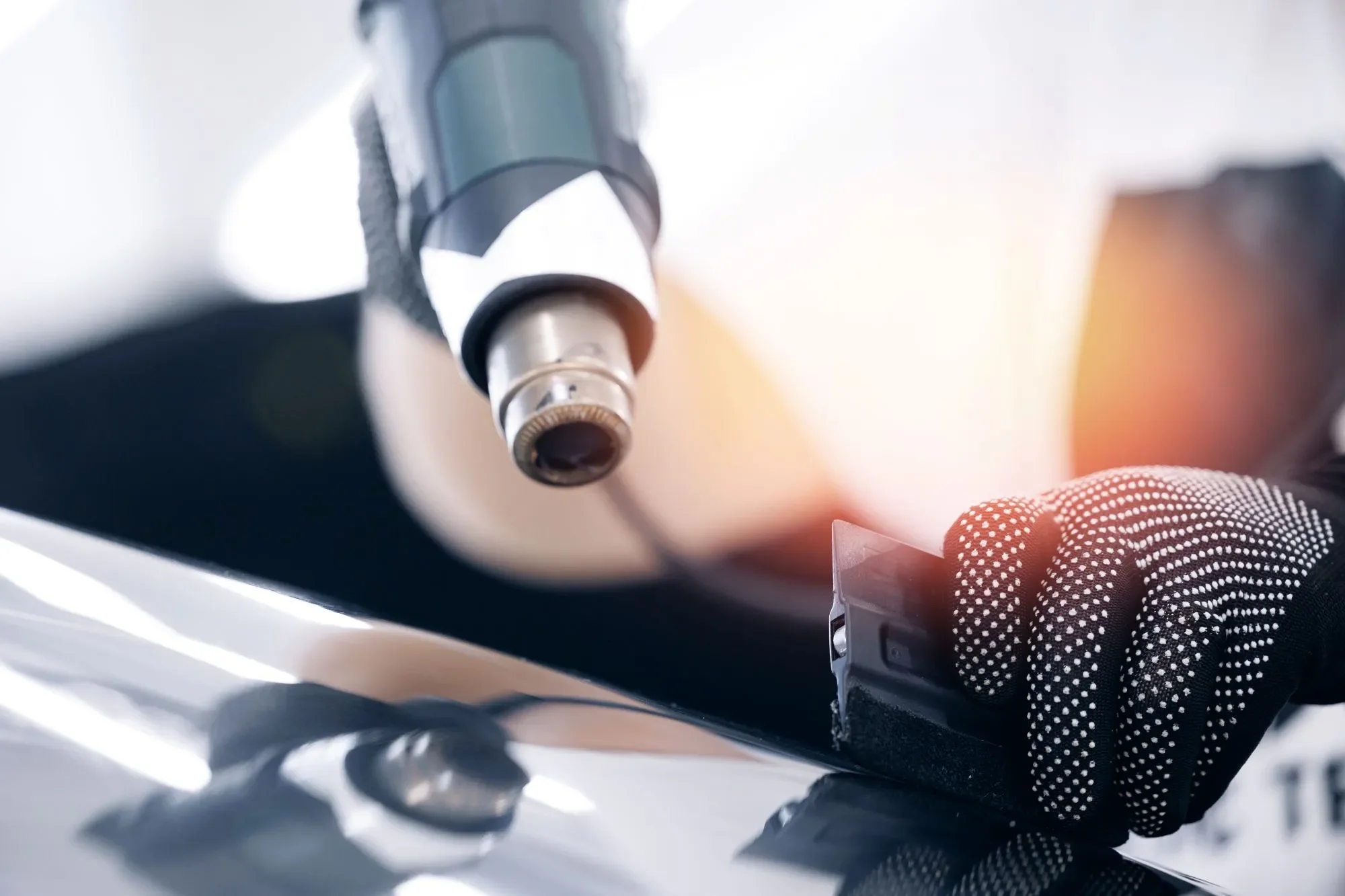
When to protect your new vehicle is one of the first decisions owners face after delivery. Many people assume protection can wait because the vehicle is new, but timing often determines whether protection preserves original paint or simply protects paint that has already accumulated damage.
For Calgary drivers, highway travel, gravel, construction activity, and winter road conditions can affect that timeline. The right approach depends on how soon the vehicle will be driven, whether the paint needs correction, and whether protection will be installed all at once or in stages. Luminous Auto Salon helps owners determine whether protection should happen immediately, after inspection, or at a later stage.
Why Paint Protection Timing Matters After Delivery
Paint protection products are designed to preserve paint condition. They cannot undo rock chips, scratches, or other permanent damage that occur before installation.
That is why timing matters. A vehicle protected before regular exposure to road debris starts from a different position than a vehicle that spends weeks or months accumulating damage before protection is installed. While some contamination may be removable during paint preparation, permanent chips, scratches, and paint defects often require corrective work before protection can proceed.
The urgency is not the same for every owner. A vehicle heading into daily highway commuting usually benefits from earlier protection planning than one driven primarily within the city. Seasonal timing can also influence the decision. A vehicle delivered shortly before winter often faces higher exposure to gravel, salt, and debris than one delivered during lower-risk driving periods.
For most vehicles, earlier protection reduces risk. However, the exact timeline depends on how the vehicle will be used, its current paint condition, and whether any correction or repairs need to happen first.
What To Protect Before Daily Driving
Not every protection option carries the same level of urgency. If a complete protection package is not planned immediately, prioritizing based on risk usually makes the most sense. For many Calgary vehicles, front-end PPF is often the first priority because it addresses the areas most likely to experience permanent paint damage. Additional protection can then be added based on driving habits, ownership plans, and budget.
Front-End PPF For High-Impact Areas
Front-end protection is often prioritized because the front bumper, hood, mirrors, and front fenders receive the majority of direct road impact.
For drivers who regularly use Deerfoot Trail, Stoney Trail, Highway 1, or other higher-speed routes, waiting too long can increase the likelihood of rock chips appearing before protection is installed. Once those chips occur, future protection can help prevent additional damage but cannot restore the original paint condition.
Vehicles expected to see frequent highway driving generally benefit from earlier front-end protection than vehicles driven primarily on lower-speed urban roads. The urgency is usually driven more by exposure conditions than by the age of the vehicle itself.
Ceramic Coating For Easier Washing And Contamination Control
Ceramic coating timing is often more flexible because contamination-related concerns usually develop over a longer period than physical paint damage.
Some owners prefer to install coating shortly after delivery so maintenance is easier from the beginning. Others choose to delay installation while prioritizing protection against road impact first.
Earlier installation can still make sense for vehicles that spend significant time outdoors or are regularly exposed to environmental contaminants. In many situations, however, a short delay carries less risk than postponing protection against physical paint damage.
Paint Correction Before Film Or Coating
Paint inspection should occur before finalizing a protection plan. New vehicles do not always arrive in perfect condition. Transportation, dealership preparation, storage, and washing can introduce defects before the vehicle reaches the owner.
Paint correction is only necessary when inspection identifies issues such as swirl marks, wash marring, light scratches, or other surface defects that should be addressed before protection is installed. If those issues are not present, protection can often proceed without correction.
If correction is required, completing that work first usually produces a better result than installing protection over paint that still requires improvement.
New Vehicle Protection Timeline
Most new vehicles fall into one of three timing windows:
Before delivery or during the first week when protection is being planned proactively.
After the first few drives when the owner is evaluating actual vehicle use and exposure.
Before winter or a long road trip when higher-risk driving conditions are approaching.
Each timing window presents a different balance between protection, risk, and planning. The best option depends on how soon the vehicle will be exposed to highway driving, seasonal conditions, or other situations that increase the likelihood of paint damage. Understanding these timing windows helps determine whether protection should happen immediately or whether a delay is unlikely to create meaningful risk.
Before Delivery Or During The First Week
This is generally the preferred timing window when protection is already planned. Protection can be installed before the vehicle accumulates meaningful exposure to road debris, contamination, or seasonal conditions. Owners expecting regular highway driving shortly after delivery frequently choose this timing because it minimizes the opportunity for preventable paint damage. If paint correction is required, it can also be identified and completed before film or coating installation begins.
After The First Few Drives
A short delay does not automatically create damage, but it does increase exposure. This timing window is often used by owners who want to evaluate how the vehicle will actually be driven before deciding on protection coverage. It also allows time for a paint inspection after delivery.
If minor chips, contamination, or defects are discovered during inspection, the condition of the paint may influence whether touch-up work, correction, or additional preparation should occur before protection is installed.
Before Winter Or A Long Road Trip
Protection often becomes more urgent when winter driving or extended highway travel is approaching. Winter conditions can increase exposure to gravel, salt, slush, and seasonal contaminants. Long-distance travel creates a different risk profile because sustained highway driving increases exposure to rock chips and road debris over extended periods. Owners who delayed protection earlier in the year often revisit the decision before these higher-risk driving periods begin.
When Waiting Can Make Sense
Immediate installation is not always the correct choice. Certain situations justify delaying protection until the vehicle, budget, or ownership plan is better aligned with the desired protection strategy.
Existing Paint Issues Or Needed Repairs
Waiting may be appropriate when paint-related concerns still need to be resolved.Paint defects, manufacturer warranty concerns, dealership paint remediation, body repairs, panel replacement, or cosmetic work are often completed before protection is installed. Protecting a surface that will soon require repair can create unnecessary costs and additional work later. In these situations, resolving the underlying issue first is usually the more practical approach.
Budget, Lease Terms, And Ownership Plans
Not every owner approaches protection with the same priorities. Long-term owners often place greater value on preserving original paint condition because they expect to keep the vehicle for many years. Lease holders and shorter-term owners may evaluate protection differently based on expected ownership duration and vehicle use.
Budget can also influence timing. If a full protection package is not practical immediately, many owners prioritize high-impact areas first and expand coverage later. This approach allows the most immediate risks to be addressed without delaying protection altogether.
Plan New Vehicle Protection With Luminous Auto Salon
The best time to protect a new vehicle depends on vehicle condition, planned use, and expected exposure. In many situations, protecting the vehicle before significant highway driving, winter conditions, or other higher-risk exposure occurs is the preferred approach. However, inspection findings, paint correction requirements, manufacturer-related paint concerns, ownership goals, or budget considerations may justify a different timeline.
Luminous Auto Salon helps vehicle owners evaluate those factors and determine whether protection should be installed immediately, completed in stages, or delayed until the vehicle is ready for the next step.
