
How Long PPF Lasts and What Affects Its Lifespan
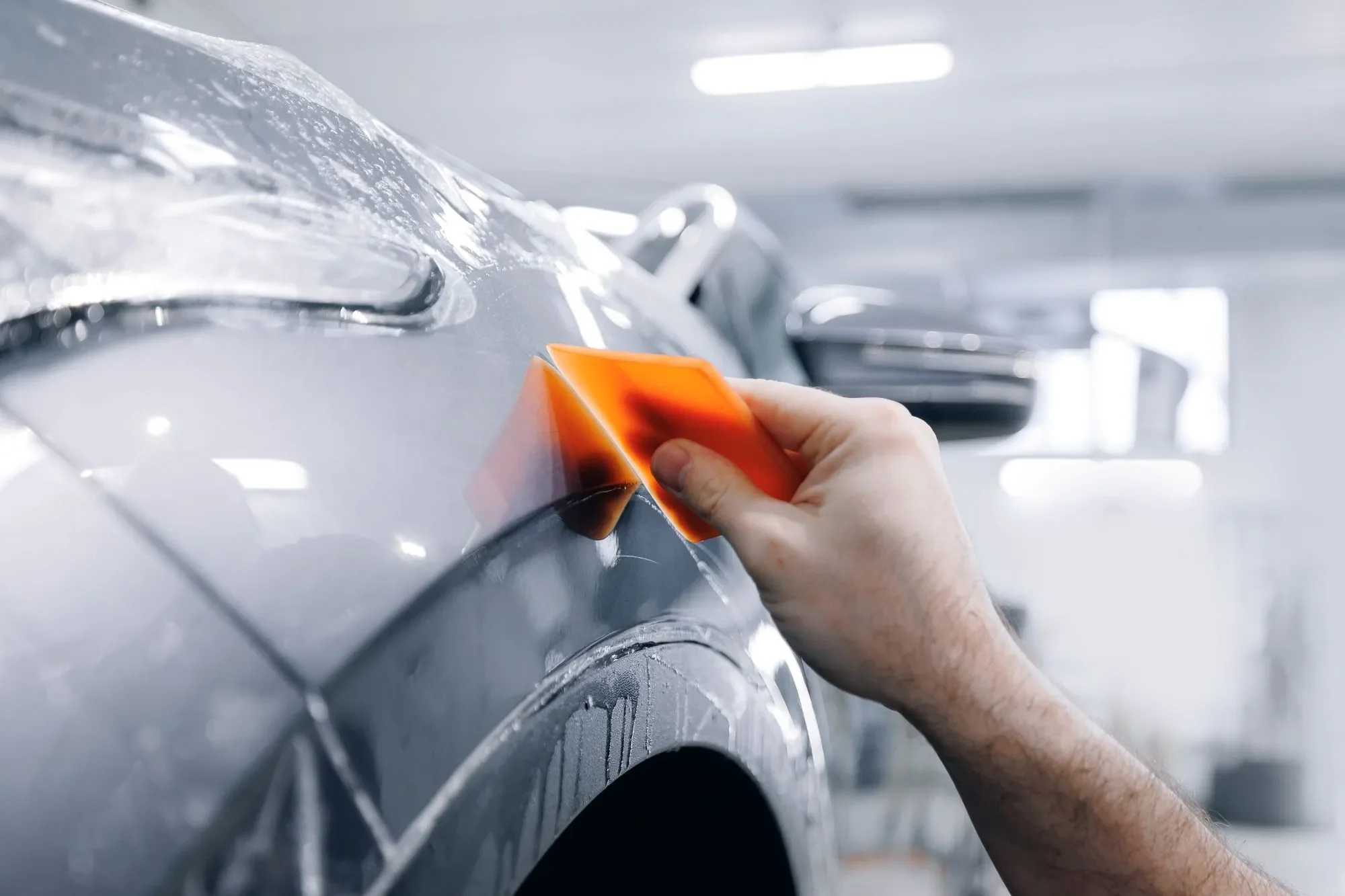
How long PPF lasts depends on the quality of the film, how well it was installed, and the conditions the vehicle experiences throughout its life. Most modern paint protection film provides many years of reliable performance when properly maintained, but no film lasts indefinitely. Luminous Auto Salon helps Calgary drivers evaluate film condition, expected lifespan, and when replacement becomes the better option than continuing to use aging material.
Average PPF Lifespan on Daily-Driven Vehicles
Quality paint protection film installed on a daily-driven vehicle typically lasts between 7 and 10 years. Some premium films may continue performing beyond that range under favourable conditions, while film exposed to harsher environments or poor maintenance may require replacement sooner.
Age alone does not determine whether PPF should be replaced. A film that remains securely bonded, clear, and flexible can continue protecting the paint even after many years. Replacement becomes more appropriate when the film begins losing its appearance or no longer adheres properly to the surface.
Vehicles driven year-round in Calgary often experience more demanding conditions than vehicles used only seasonally. Winter road treatment, highway debris, temperature swings, and strong summer UV exposure can all influence how quickly the film ages.
Why Some PPF Lasts Longer Than Others
No two vehicles experience the same rate of film aging. Material quality, installation methods, environmental exposure, and ongoing maintenance all affect how long the film continues performing as intended.
Film Quality and Warranty Coverage
Modern PPF is manufactured with different material formulations, adhesive systems, and top coats. Higher-quality films generally provide better resistance to staining, discoloration, cracking, and weathering over time.
A manufacturer's warranty provides an indication of expected product durability, but it should not be interpreted as a guaranteed service life. Warranty terms vary between manufacturers and often apply only when installation and maintenance requirements have been followed.
Installation Quality and Edge Sealing
Even high-quality film can experience premature problems if it is not installed correctly. Proper surface preparation, accurate alignment, contamination control, and secure edge finishing all contribute to long-term durability.
Poor installation may allow edges to lift, dirt to accumulate beneath the film, or moisture to become trapped during installation. These issues typically appear much earlier than normal age-related wear and can shorten the useful life of the installation.
Driving Conditions in Calgary
Calgary presents conditions that can accelerate normal film wear throughout the year. Winter road salt, sanding material, gravel, rapid temperature changes, strong sunlight, and frequent highway driving all increase the demands placed on paint protection film.
Vehicles that regularly travel on highways, construction routes, or gravel roads usually experience greater abrasion than vehicles driven mainly within urban neighbourhoods. Seasonal exposure does not automatically require earlier replacement, but it can increase the rate at which the film shows cosmetic wear.
Washing Habits and Chemical Exposure
Routine washing helps remove contaminants that would otherwise remain on the film for extended periods. Dirt, insects, bird droppings, tree sap, and road salt are easier to remove before they remain on the surface for long periods.
Aggressive chemicals, abrasive brushes, harsh polishing compounds, and improper cleaning techniques can shorten the life of paint protection film. Cleaning products intended for automotive finishes and washing methods recommended for PPF are less likely to damage the film over time.
Signs Your PPF Is Nearing the End of Its Lifespan
Paint protection film usually shows gradual signs of aging rather than failing suddenly. An inspection can determine whether the film is still performing properly or whether replacement should be considered.
Persistent yellowing or discoloration that does not wash away
Cracking, brittleness, or loss of flexibility
Edges that continue lifting after inspection
Permanent staining that cannot be safely removed
Cloudiness or loss of optical clarity
Adhesive failure causing sections of film to separate from the paint
Damage affecting large portions of a protected panel
Film that has reached the end of its expected service life and shows multiple aging symptoms
One isolated mark does not necessarily mean the entire installation requires replacement. The overall condition of the film, its adhesion, and the extent of deterioration are more important than a single cosmetic defect.
When PPF Should Be Replaced Instead of Repaired
Small localized damage can sometimes be addressed by replacing only the affected section when the surrounding film remains in good condition and matching material is still available.
Replacement becomes the better option when the film has widespread discoloration, cracking, significant adhesive failure, or multiple damaged areas across the same panel. Attempting repeated repairs on aging film often provides only a temporary improvement because the remaining material continues to deteriorate.
If replacement is required, the existing film should be removed using methods intended for paint protection film. Proper removal helps reduce the risk of adhesive residue and protects the underlying finish before new film is installed.
How to Extend the Life of Your Paint Protection Film
The longest-lasting PPF installations are usually those that receive consistent care throughout their service life. Regular washing removes contaminants before they remain on the surface long enough to stain or affect the film.
Address bird droppings, bug residue, tree sap, and road salt as soon as practical rather than allowing them to remain on the film for extended periods. Inspect the edges periodically so small lifting areas can be identified before contamination reaches beneath the film.
Avoid abrasive cleaning tools, automatic washes that use aggressive brushes, and chemicals not intended for paint protection film. Following the manufacturer's maintenance recommendations gives the film the best opportunity to reach its expected lifespan.
Plan Your PPF Maintenance With Luminous Auto Salon
Paint protection film should be evaluated based on its condition rather than its age alone. A professional inspection can identify early lifting, contamination, adhesive failure, or normal wear before more significant replacement becomes necessary.
If your film is approaching the end of its service life or you are unsure whether damaged sections should be repaired or replaced, Luminous Auto Salon can inspect the installation and recommend the most appropriate solution. Whether only one panel requires attention or a complete replacement is warranted, each recommendation should be based on the condition of the existing film rather than a fixed replacement schedule. For new installations or replacement services, visit the Paint Protection Film page.
